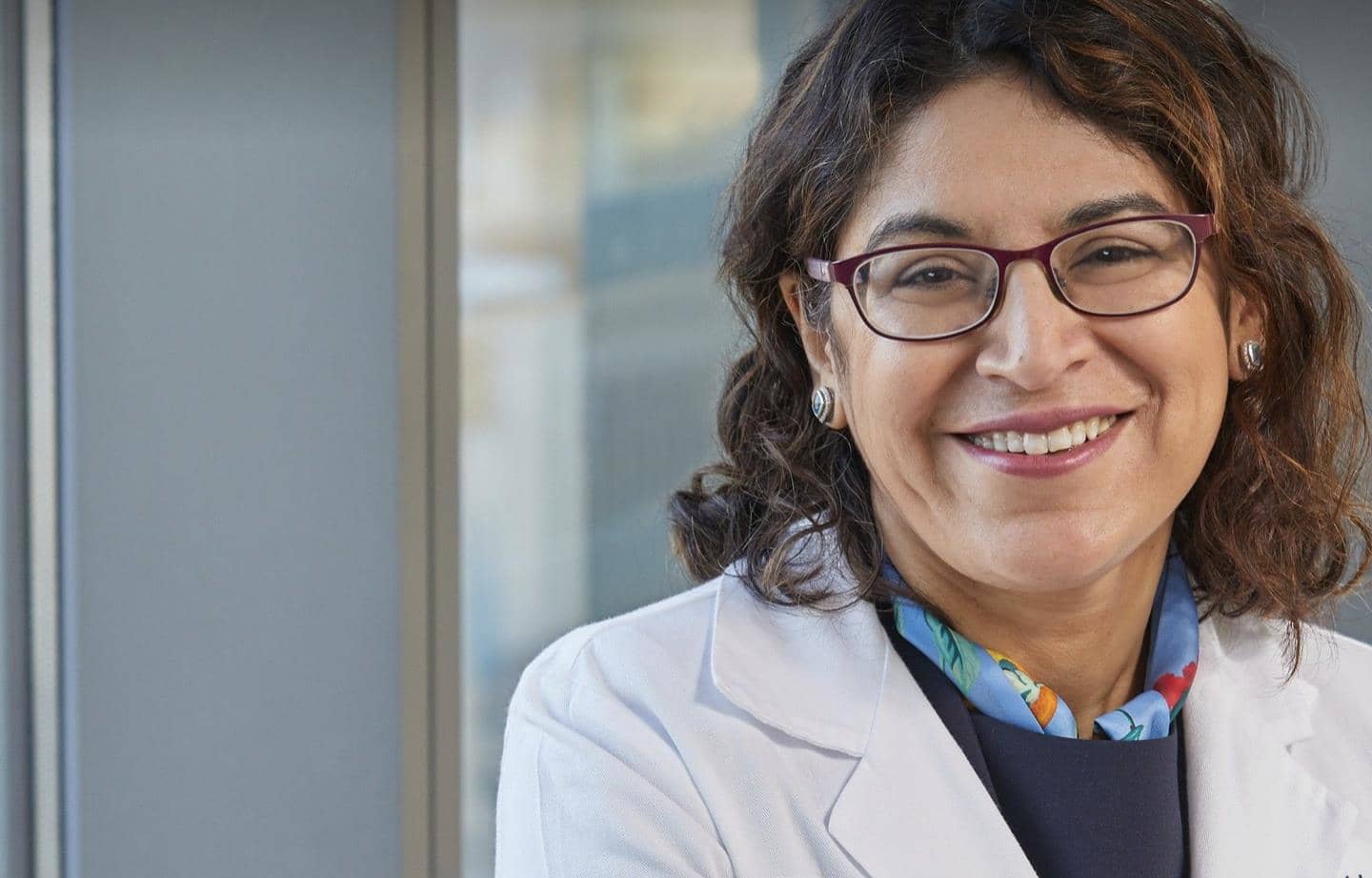
William Rosenblatt, MD sorts supplies in a warehouse just a few blocks away from the hospital.
(February 2011) William Rosenblatt, MD, a Yale Medical Group anesthesiologist, spends a few hours most weekends in a warehouse near the Yale Medical Center, dressed for a messy job. With the help of a volunteer, he sorts through sutures, bandages, syringes and other supplies that would have been tossed in Yale-New Haven Hospital trash containers. There’s even an occasional stretcher.
Dr. Rosenblatt is founder of Recovered Medical Equipment for the Developing World, or REMEDY, a not-for-profit organization that provides international medical relief while reducing solid medical waste from U.S. hospitals. For almost 20 years, he has led doctors, nurses and staff in Yale-New Haven Hospital’s operating suites in collecting perfectly useable medical supplies that must be discarded due to FDA regulations, strict manufacturer warranties and legal concerns.
REMEDY sends these items to countries where supplies are sometimes so scarce that doctors routinely wash and re-use the same pairs of latex gloves for months. “The materials we’re interested in are the very basic medical supplies—gauze, gloves and sutures that may never be reusable here,” Dr. Rosenblatt says.
With a growing focus on environmental responsibility and cutting health care costs, REMEDY is finding itself at the right place at the right time. Dr. Rosenblatt, who is a professor of anesthesiology and surgery at the Yale School of Medicine, launched the nonprofit in 1991, and since then it has directly or indirectly impacted 600 similar programs that have ordered its in-service teaching packet.
He directs the program with the support of Yale student volunteers. The Yale REMEDY program alone has recovered an excess of 30 tons from what was previously considered waste, and donated several millions of dollars worth of supplies to developing countries. Dr. Rosenblatt has plans to expand his collections to Yale-New Haven Hospital’s emergency department and some patient care units.

Dr. Rosenblatt talks with a colleague in Yale-New Haven Hospital’s operating suites.
Dr. Rosenblatt first came up with the idea of recovering supplies when he was a young medical student, working in a hospital in Peru, where he saw a teenage boy with advanced tuberculosis struggling to breathe. He grabbed an Ambu-Bag, a device that increases a patient’s oxygen. The boy died, but what left an indelible mark on the young physician was the horror of the local doctors when they saw he had used their only Ambu-Bag to treat an infectious patient. At that time, they had no method to effectively clean it.
In the early early 1990s, Dr. Rosenblatt and fellow Yale Medical Group anesthesiologist David G. Silverman, MD, examined 1,300 cases and extrapolated their findings nationally to come up with $200 million worth of supplies being discarded in the nation’s operating rooms each year. They published studies in the Journal of the American Medical Association and the Journal of Clinical Anesthesia.
Dr. Rosenblatt estimates the cost of recovering the supplies at Yale-New Haven is about $200 a year, and avoiding incineration of 30 tons of solid medical waste has saved $2,530 annually over the life of the REMEDY program.

With the help of Yale volunteers, Dr. Rosenblatt packages supplies ship to developing countries such as Cuba, Ecuador, Mexico and Venezeula.
One recipient of REMEDY’s supplies is the Rev. Carlos Rodriguez, who was working in Bridgeport, Connecticut, when he founded an organization called Moving Mountains to help people in countries where he has seen patients “rushed” to the hospital by bus, car and even horses.
Rodriguez takes supplies donated by REMEDY on charitable missions to 38 developing countries, including Cuba, Ecuador, Mexico and Venezeula. He was planning to use a donated exam table for a clinic he is starting in Santo Domingo for children who include orphans who lost their parents in the earthquake in Haiti last year. “One thing that people have to think about is that these are third world countries,” Rodriguez says. “They don’t have what we have in this country, especially when it comes to medicine.”
Meanwhile, one thing that has changed for REMEDY since it was founded is that there are fewer items to recover. One reason is that surgeons—including those at Yale Medical Group—are taking a hard look at “surgical kits,” the sets of surgical tools they request for each operation, to make sure they include only items that are absolutely necessary.
“I think the waste has probably lessened,” Dr. Rosenblatt says, “But we have not lessened the waste from things that go out of date and things that are over-ordered.” He expects there will always be enough left over to make REMEDY useful.
Story by Kathy Katella
Photos by Robert Lisak
Buying, selling and “freecycling” online is thriving, so it should be no surprise that cyberspace is a popular arena for recycling medical supplies.
Med-eq (formerly AIRe-mail) is an offshoot of REMEDY created in 1998 to connect donors of medical equipment and supplies with registered nonprofit charities. Both donors and recipients must register to use the website and agree to the terms of use. Donors are then free to post items to the website and recipients are able to request items.
Med-eq maintains the site to ensure clear posts and, when a match is made, connects the donor with the recipient. More information is available online at Med-eq.
REMEDY donates discarded useable medical supplies to other organizations that can get them to the appropriate recipients. The organizations include: